
For centuries, the origins of the Quran, the holy book of Islam, have intrigued and sparked numerous debates among religious scholars and researchers. Known to be the divine word revealed to the prophet Mohammed, some question the authenticity of its origins. Divergences and conjectures arise around who holds the pen behind this sacred writing. Is it a purely divine work or was there human intervention? Interpretations vary, creating an endless intellectual quarrel. Attempts have been made to demystify this question, but certainties are rare. The mystery of the author of the Quran continues to intrigue the world.
Origins of the Quran: a historical enigma
The question of who wrote the Quran and when remains a major historical enigma. Different schools of thought have emerged to explain the origins of the sacred text. According to Islamic tradition, the Quran was revealed to the prophet Mohammed through the angel Gabriel in the 7th century. This divinely inspired theory is widely accepted by the majority of Muslims.
Some Western researchers challenge this traditional view and propose different hypotheses about the author of the Quran. Some argue that Mohammed himself would be responsible for its writing, claiming that the literary style and themes addressed reflect his own journey and historical context.
Other theories suggest that multiple authors may have contributed to the composition of the Quran, suggesting external influences such as Jewish or Christian traditions present in the Arabian Peninsula at that time.
Another controversial hypothesis even suggests a possible Syro-Aramaic influence on certain Quranic passages, thus highlighting a connection with the ancient cultures and religions present in the region.
It should be emphasized that these theories remain speculative as no concrete evidence definitively establishes who wrote the Quran and when it was done. The sacred nature of the text also makes any critical or scientific approach difficult without risking offending the deeply rooted religious beliefs of many faithful.
The question of the origins of the Quran has considerable implications. Indeed, if it is determined that the text is entirely of divine origin, it reinforces faith in its perfection and infallibility. Conversely, a human origin could allow for a more critical and analytical approach to the Quranic content.
That said, regardless of their position on this thorny issue, believers continue to find in the Quran an undeniable source of inspiration and spiritual guidance.
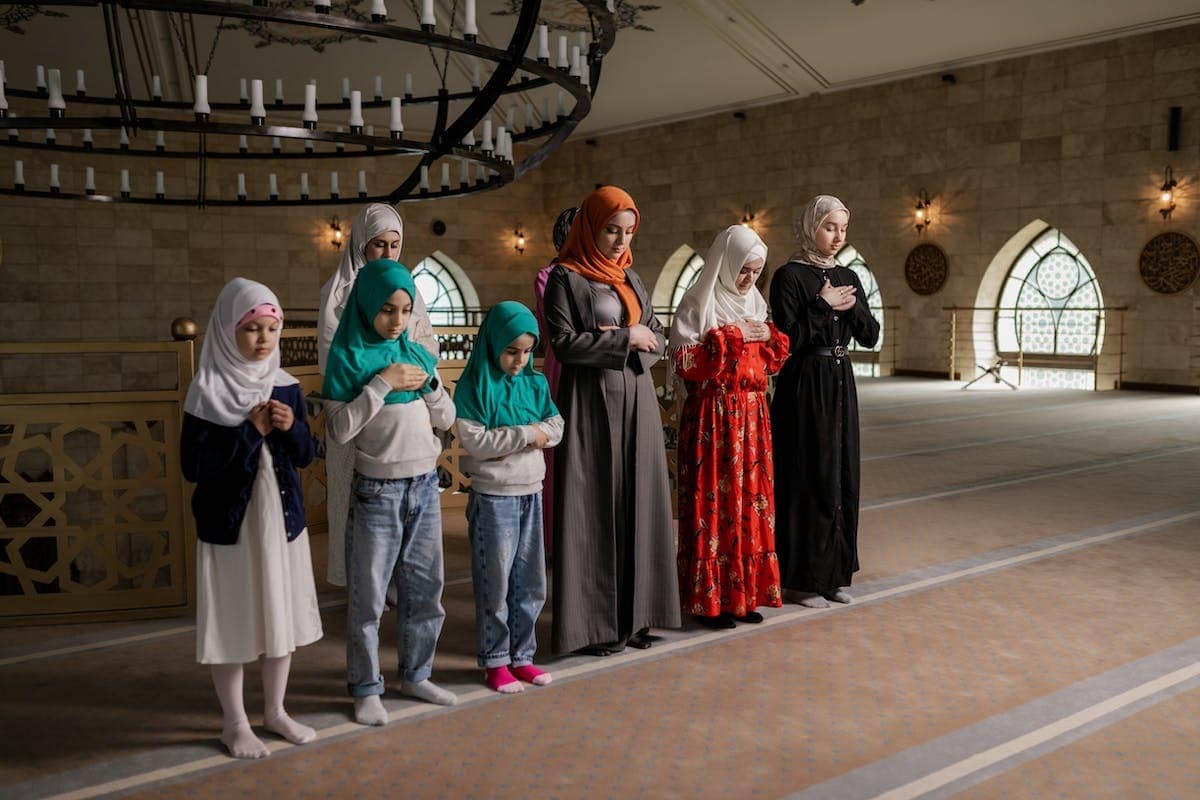
Arguments in favor of a divine origin
In continuing our exploration of the origins of the Quran, it is interesting to examine the different hypotheses that suggest a human origin for this sacred text. Although these theories may be controversial, they nonetheless deserve to be studied within the framework of this debate.
One of the main hypotheses regarding a human origin of the Quran rests on the idea that the prophet Muhammad is its author. According to this view, Muhammad would have been inspired by a particular social and cultural context when he received the divine revelations, and would then have transmitted these messages in written form.
This hypothesis is supported by several elements. It can be noted that the linguistic style of the Quran reflects that used during Muhammad’s time. The Arabic idiomatic expressions present in the text would therefore be consistent with this human perspective.
Some researchers point out that certain Quranic passages seem to echo the political and social concerns of Muhammad at his time. References to tribal conflicts or economic issues specific to that precise period can be found.
Another hypothesis also suggests the possibility that a group of close disciples of Muhammad actively contributed to the final composition of the Quran after his death. This view would highlight a collective process where different actors participated in shaping and compiling the initial oral recitations to create the book as we know it today.
Some critics also assert that certain inconsistencies and contradictions found in the Quranic text could be seen as indications of a human origin. They suggest that these elements are the result of modifications and additions made by the early editors of the Quran.
It is important to clarify that these hypotheses regarding a human origin do not question the spiritual value or religious significance of the Quran for believers. On the contrary, they simply seek to explore the historical and literary aspect of this sacred text.
Despite the ongoing debates surrounding the origins of the Quran, it must be kept in mind that it remains a central book for over a billion Muslims around the world. Its influence on Islamic culture is undeniable, and its message continues to be interpreted and revered by millions of faithful every day.
Human origin: considered hypotheses
In the previous section, we examined the different hypotheses regarding the human origin of the Quran. Now, let’s address the implications of this debated question and what it means for believers and researchers.
From a religious perspective, the question of the origins of the Quran can be considered sensitive. For many Muslims, the Quran is regarded as an infallible divine revelation transmitted directly by God through the prophet Muhammad. Questioning this fundamental belief could therefore be perceived as an attack on the very integrity of their faith.
It is crucial to emphasize that academic studies on the Quran do not seek to undermine the spirituality or piety of believers. On the contrary, they aim to understand and interpret the sacred text from a historical and literary perspective in order to enrich our overall knowledge.
The implications of the various findings obtained in this research could have a significant impact on our understanding of Islam as a religion and cultural phenomenon. By questioning certain preconceived ideas or traditions established for centuries, this research can foster a constructive critical dialogue within the Islamic community itself.
Implications of the origins question
In this section, we will explore the consequences that these debates about the author and the origins of the Quran can have on our understanding of the text itself.
First, questioning the idea of a direct divine revelation can allow for a more critical approach to the study of the Quran. By considering the historical context in which it was composed and analyzing its literary structure, we can better understand its gradual development over time. This opens the door to a more nuanced and contextualized interpretation of the Quranic verses.
This raises questions about the human nature of Quranic writing. If the text is indeed the product of a complex human process involving several potential authors, it also implies a certain level of intellectual and cultural evolution. Understanding these external influences could help explain some enigmatic or contradictory aspects of the Quran.
Questioning traditional notions surrounding the absolute authority of the sacred text can lead to a more progressive approach to the Islamic religion. Believers might be encouraged to engage more deeply in a thoughtful examination of Quranic teachings rather than simply accepting their preconceived interpretation.
It should be noted that these debates do not aim to diminish the spiritual or religious value of the Quran for Muslim believers. On the contrary, they offer an opportunity to enhance the understanding and appreciation of the text by emphasizing its historical and literary aspect.
The debates surrounding the author and the origins of the Quran have significant repercussions on our understanding of the sacred text. They encourage a thorough examination of its human nature and cultural context while promoting a more critical approach in religious study. These discussions also pave the way for constructive dialogue within the Muslim community itself, thus fostering a better understanding and interpretation of the Quran as a fundamental text for millions of believers around the world.
Consequences for understanding the Quran
In this section, we will explore the broader sociocultural implications of the debates surrounding the author and the origins of the Quran. These discussions have sparked considerable interest within the academic community, but they have also attracted the attention of the general public.
It should be noted that these debates are not specific to Islam. Many religions and sacred texts face similar questions about their authorship and origins. Due to its central place in the Muslim faith and its importance for over a billion believers around the world, the Quran occupies a particularly crucial position in this context.
The questioning of the author and the origins of the Quran can have a profound impact on individual religious identity as well as on interreligious relations. For some fervent Muslim believers, any inquiry into these questions can be perceived as a direct threat to their faith or as an attempt to discredit their religion. Therefore, it is essential to approach these subjects with respect and sensitivity to avoid unnecessary harm to those who find solace in the spirituality offered by the Quranic text.
On the other hand, these debates can also stimulate a constructive dialogue between different religious traditions. By encouraging critical reflection among believers themselves as well as among those who study the sacred text carefully from an academic perspective, it becomes possible to foster a deeper and more respectful understanding of different religious beliefs and practices.
It is important to note that these discussions do not question the spiritual value of the Quran for Muslims. Rather, they seek to explore the historical origins of the text and to broaden our collective understanding of its message. The Quran remains a fundamental pillar of the Islamic faith, regardless of the interpretation given to its origins.
The debates about the author and the origins of the Quran have far-reaching implications beyond the mere academic sphere. They can shape our perception not only of the sacred text itself but also of the relationships between different religions and cultures in today’s world. These questions should be approached with caution and respect in order to promote a constructive dialogue that leads to better mutual understanding.