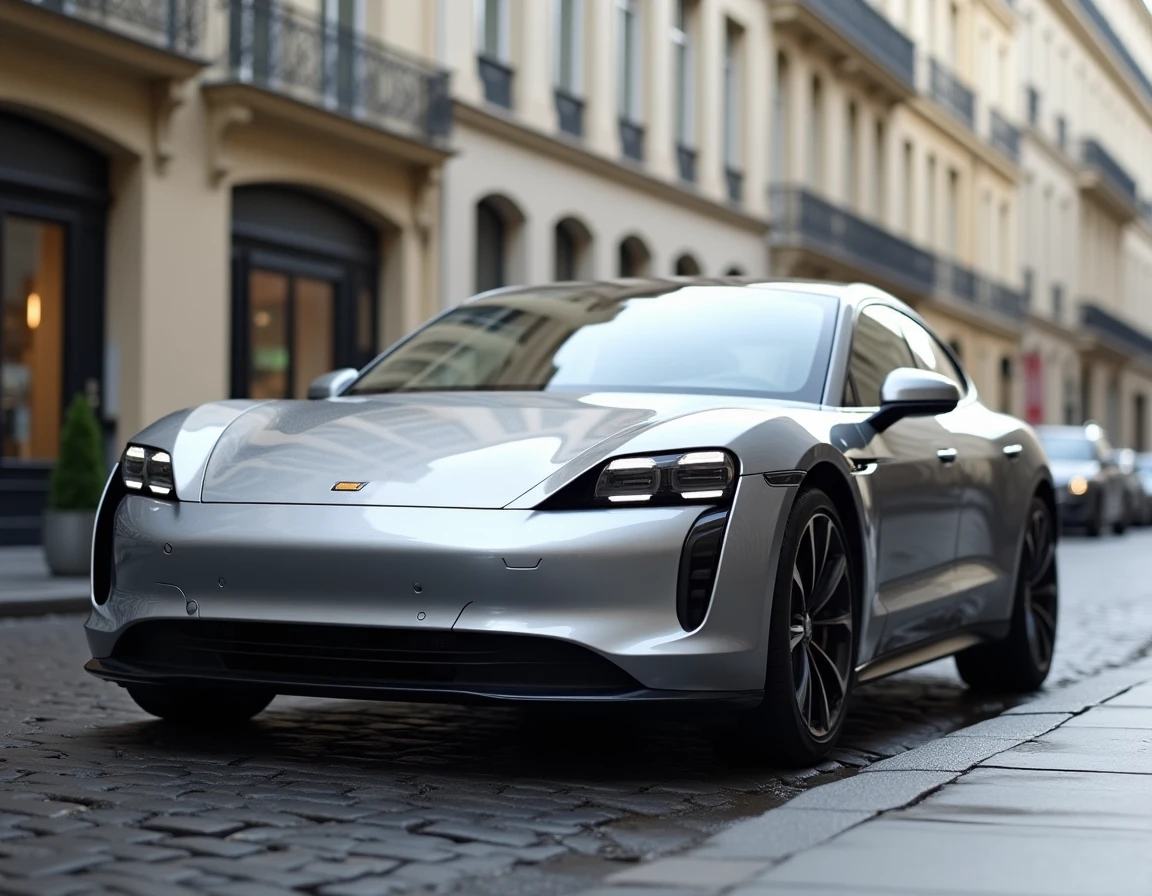
Choosing a hybrid car in 2024 often comes down to deciding between three very different options: a simple hybrid (HEV) that is compact and affordable, a plug-in hybrid (PHEV) that is more versatile, or a first-generation used model at a low price. The natural reflex is to compare technical specifications. But the real criterion for choice, the one that changes the game over five or seven years, is the total cost of ownership.
Total Cost Over 5 Years: Simple Hybrid, PHEV, or Used, the Match on a Equal Budget
Let’s take a purchase budget of around 30,000 euros. With this amount, you can access a new compact simple hybrid (like the Toyota Yaris or Honda Jazz), an entry-level plug-in hybrid, or a recent used plug-in hybrid SUV. Three cars, three financial realities over time.
The new simple hybrid boasts low mixed consumption, often close to 4 to 5 liters per 100 km, with no charging constraints. No charging station to install, no cable to plug in. Maintenance remains that of a conventional thermal vehicle, with an auxiliary electric motor that requires almost nothing.
The new PHEV, even at the entry level, involves an additional cost at purchase. The weight penalty in 2025 can reach several thousand euros on the heaviest models, between 8,330 and 11,480 euros for large plug-in SUVs according to available data. This penalty, often forgotten at the time of comparison, pushes the total budget well beyond what was imagined.
In return, a PHEV charged daily at a home station allows for electric driving on short trips, which drastically reduces fuel costs.
On the used side, a comparison of the best hybrid cars shows that there is now a structured offer of hybrids under 10,000 euros. Hyundai Ioniq models from 2017-2018, Honda Jazz, or Ford Mondeo Hybrid still show consumption around 4.5 to 5.5 liters per 100 km. The used hybrid makes the technology accessible at budgets two to three times lower than new.

Plug-in Hybrid and Weight Penalty: A Trap for Large SUVs
Have you spotted a family PHEV SUV that seems perfect on paper? Check its curb weight before signing. The weight penalty, reinforced in 2025, specifically targets heavy vehicles, and family PHEVs, with their large batteries, regularly exceed the triggering threshold.
The result is brutal. Some plug-in hybrid SUVs exceed 100,000 euros including penalties. For a family vehicle, this price/performance ratio no longer holds up against a lighter simple hybrid or even against a fuel-efficient thermal vehicle.
Before choosing a PHEV, ask yourself this question: do you actually charge every day? If the answer is no, the rechargeable battery becomes a dead weight (literally) that increases thermal consumption instead of reducing it. A simple hybrid, lighter and without charging constraints, then consumes less than a PHEV that is never plugged in.
7-Seater Hybrids: A Rare but Growing Segment
Large families or drivers who need space struggle to find suitable hybrids. 7-seater hybrids remain rare but are progressing in several segments. In 2025-2026, models like the Hyundai Santa Fe, Kia Sorento, BMW X5, or Volvo XC90 will offer hybrid variants with three rows of seats.
However, these vehicles face two disadvantages:
- A high weight that directly exposes them to penalties, sometimes amounting to several thousand euros more at purchase
- A real consumption often exceeding the advertised figures, especially in highway use with the vehicle loaded
- A purchase price that places them immediately in the premium segment, limiting access for families who would need it the most
For a family that drives a lot, a mid-sized simple hybrid SUV (non-plug-in) often represents a better compromise than a large 7-seater PHEV. Consumption remains contained, the penalty is avoided, and the freed-up budget can be used to finance maintenance over several years.
Concrete Criteria for Choosing Between HEV, PHEV, and Used Hybrid
The choice is not just about a preference for engine type. It depends on your daily usage, your access to a charging station, and your ownership horizon.
- Short trips in the city with home charging station: the PHEV makes perfect sense, you drive electric most of the time and the thermal engine is only used for long trips
- Mixed usage without regular charging possibility: the compact simple hybrid offers the best efficiency without any logistical constraints
- Tight budget or first hybrid purchase: the first-generation used hybrid allows you to test the technology for less than 10,000 euros, with already very competitive consumption
- Large family with space needs: 7-seater hybrid SUVs exist, but the weight penalty and purchase price require careful calculation of the total cost before committing
One Last Point on the Electric Range of PHEVs
Recent plug-in hybrids announce electric ranges that sometimes exceed 100 km. This figure is appealing, but it corresponds to optimal usage (city, moderate speed, no air conditioning). On the highway or in cold weather, the real range drops significantly.
The announced range of a PHEV almost never reflects actual usage. It is better to base your profitability calculation on an electric range reduced by a third compared to the manufacturer’s data. It is with this correction that the comparison between simple and plug-in hybrids becomes honest, and the right choice emerges.