A child crying at 3 AM, a spilled bottle on the couch, a work meeting in four hours. Modern parenting unfolds in these moments, far more than in books or Instagram feeds. Today’s parents face high, sometimes contradictory expectations that weigh on their daily lives and mental health.
Parental mental load and parents’ psychological health
Have you ever noticed that feeling of never being able to disconnect, even when your child is sleeping? This phenomenon has a name: parental mental load. It encompasses all the invisible tasks, from making medical appointments to planning meals for the week.
The 2023 Mental Health Barometer, conducted by INSERM and Public Health France, highlighted a significant increase in anxiety and depressive symptoms among parents of young children compared to the pre-Covid period. Balancing work and family and the norms of being a “good parent” are among the identified factors.
This observation calls for a simple response: protecting one’s own mental health is part of raising a child. An exhausted parent reacts more sharply, sleeps less well, and ultimately loses the patience needed to support their child’s emotions on a daily basis. Several online resources, such as those available on devenirparent.net, help find concrete guidelines to navigate these difficult phases.

Paternity leave in France and the father’s role in daily life
Since July 2021, paternity and parental leave has increased to 28 days in France, with part of it being mandatory. According to the report published in 2023 by the National Health Insurance Fund, more than three-quarters of salaried fathers have taken it.
This figure reflects a real trend towards earlier involvement of fathers in their baby’s life. Bathing, managing a nighttime cry, attending a pediatric appointment: these tasks, long attributed by default to mothers, are increasingly shared in the first weeks.
However, inequalities persist according to socio-professional categories. Self-employed workers or fathers on precarious contracts take this leave less often due to insufficient financial compensation. The reform has established a framework, but equality in parenting remains an ongoing challenge.
Building trust in the parental couple
The arrival of a child redistributes roles. The parent who returns to work first may feel excluded from the routines established by the other. To avoid this gap, one principle works well: let the other parent do it their way, even if it’s different.
A baby dressed backward or a somewhat haphazard meal has no lasting consequences. However, consistently correcting the other parent’s actions undermines their confidence and gradually reduces their involvement.
Screens and social media: managing digital pressure in the family
The issue of screens now arises on both sides. On one hand, parents wonder about the time their child spends in front of a tablet. On the other, they often underestimate their own digital consumption and its effect on family relationships.
The “Screens” Commission set up by the French government in 2024 has made recommendations by age group. The idea is not to prohibit but to frame. Here are the guidelines that emerged from this work:
- Before age 3, avoid exposure to screens, including background television, which fragments the baby’s attention even without direct viewing.
- Between ages 3 and 6, limit usage time and accompany each session: watch with the child, comment, ask questions about what they see.
- After age 6, set time slots and clear rules together, explaining the reasons rather than imposing a strict ban.
Social media also exerts pressure on adults. Idealized parenting accounts create a fictional standard. Comparing your daily life to a feed of staged images generates unnecessary guilt. Reducing your own screen time in the evening, during meals, or at bedtime significantly improves the quality of family interactions.

Learning to support your child’s emotions
A 2-year-old rolling on the floor in a supermarket is not throwing a tantrum. Their brain does not yet have the connections needed to regulate a strong emotion. This distinction between a tantrum and emotional overflow changes how we react.
Supporting an emotion starts with naming it. “You are angry because you wanted that toy.” This simple phrase helps the child put words to what they feel, which gradually reduces the intensity of their outbursts.
Three concrete guidelines for daily life
- Validate the emotion before setting the limit: “I see that you are sad. We can’t stay, but we will come back.” The child feels heard, which facilitates cooperation.
- Avoid abstract negations with toddlers: “We walk slowly” works better than “Don’t run,” because young children struggle with negation.
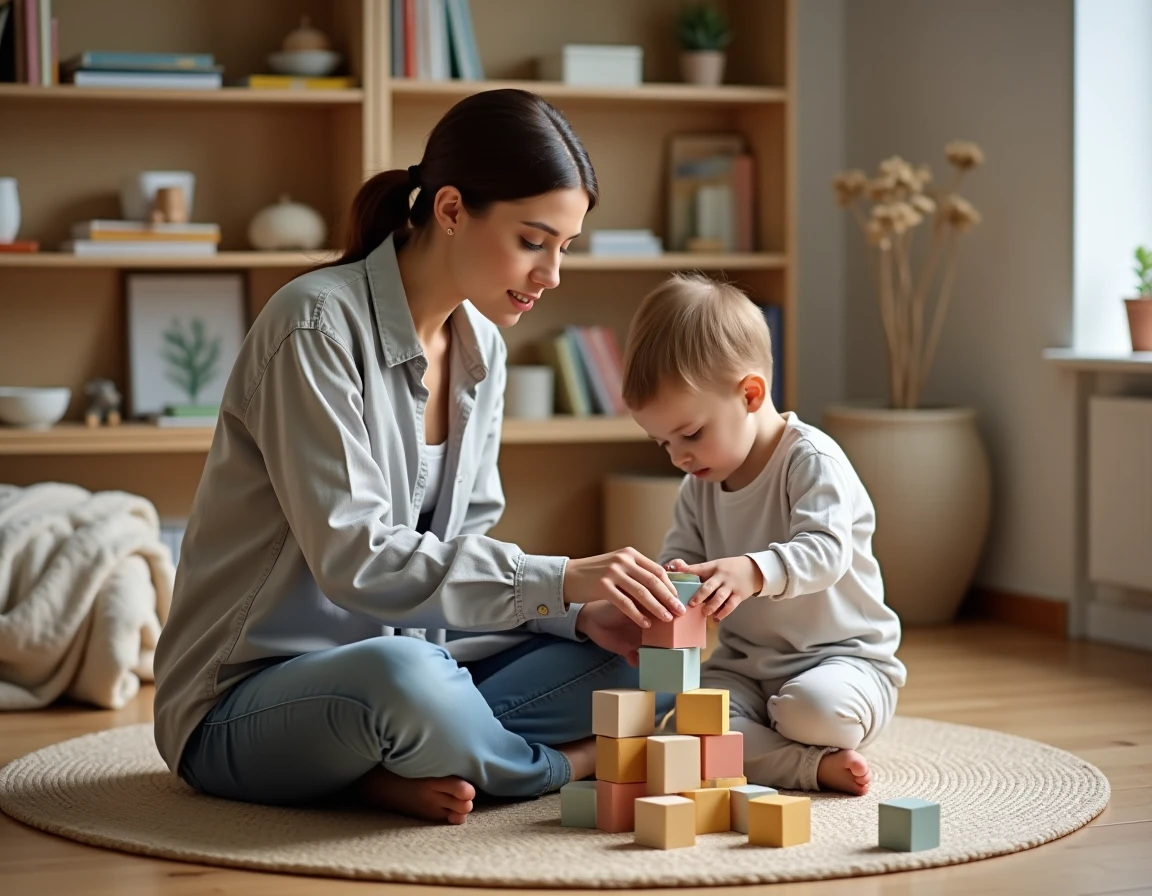
- Plan free playtime without instructions or goals, where the child leads and the parent follows. These moments strengthen the attachment bond and the child’s confidence in their own abilities.
Parenting is not just about an educational method. Shared activities, reading a book at night, a walk with no specific purpose count just as much as the big principles. A parent who doubts is not a bad parent: doubt signals a genuine concern for their child. It’s better to have an imperfect but present adult than a theoretical model applied rigidly.