A warm interior design strikes a balance between three physical factors: the color temperature of surfaces, the density of textures in the room and the distribution of light sources. Changing just one of these factors alters how the entire space feels. Understanding how they interact helps you create a cohesive atmosphere without making unnecessary purchases.
Wall color temperature and its effect on a room’s atmosphere
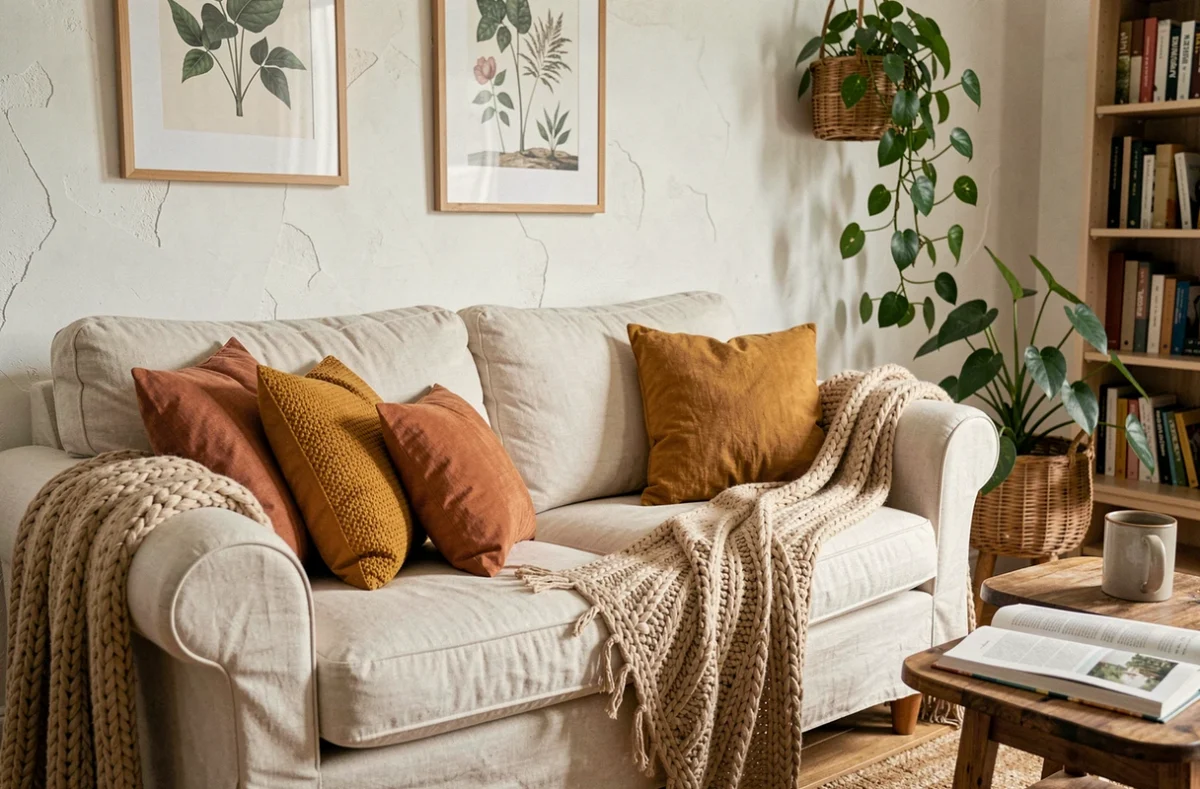
The perceived warmth of an interior depends largely on the color palette used on large surfaces: walls, floors and ceilings. Warm shades such as terracotta, ochre, rich beige and rosy brown absorb some of the light and reflect wavelengths that the brain associates with closeness and comfort.
By contrast, pure white or cool gray on every wall creates a sense of visual distance. The room feels larger, but also more impersonal. Choosing a warm shade for just one wall is enough to change the perceived warmth of an entire living room or bedroom without making the space feel darker.
To maintain harmony, limit your palette to a maximum of three colors per room: a dominant color (main walls), a secondary color (the main furniture or textiles) and an accent color (cushions, objects and frames). This ratio prevents monotony without creating visual clutter. Natural colors, like those found in mineral pigments or raw wood, are easier to combine than highly saturated synthetic shades.
One often-overlooked detail: the paint finish matters just as much as the color. A matte finish absorbs light and enhances a cocooning effect. A satin finish reflects light and adds energy to the room. In a north-facing space, where natural light is already cool, a light satin finish in a warm shade helps offset the chill. To explore suitable color ranges, the Youpi La Maison decorating section features color combinations organized by room and orientation.
Interior lighting: layer light sources for a warm glow
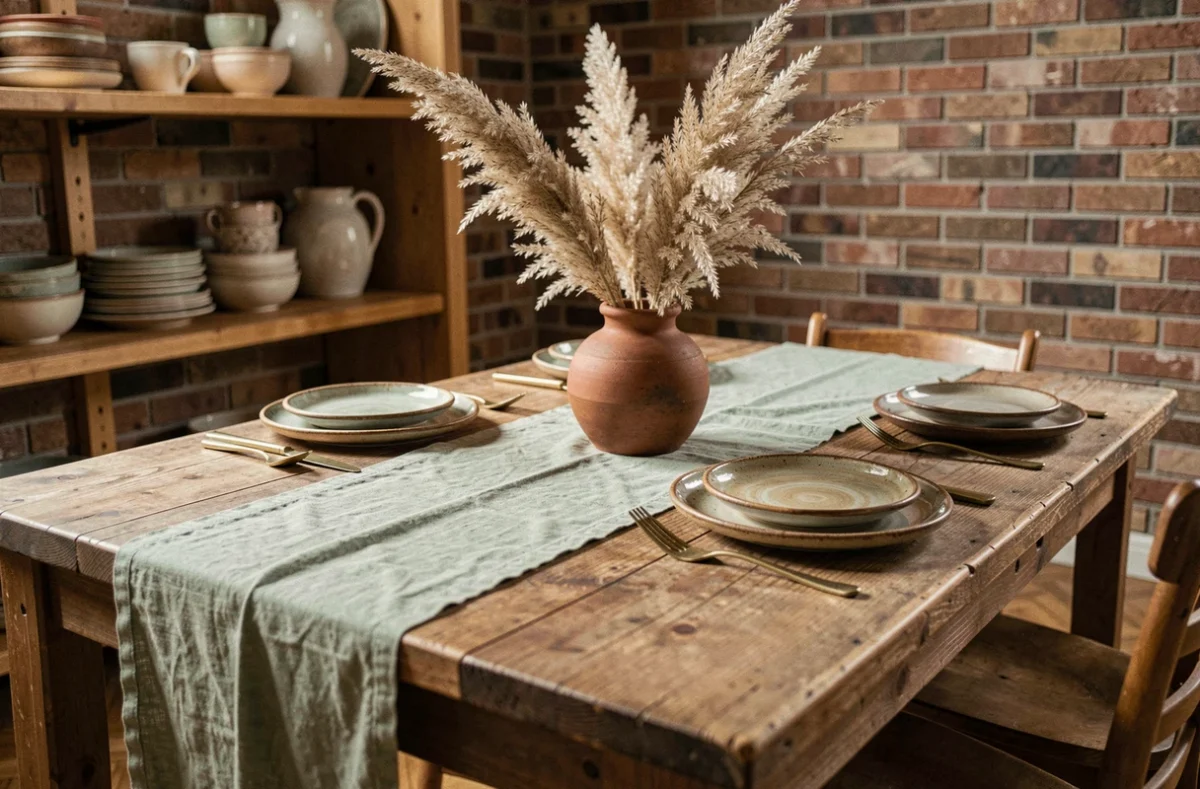
A single ceiling light in the center of the room creates flat lighting that washes out contours and textures. It’s the biggest enemy of a cozy atmosphere. At least three layers of light can transform the way a living room feels: soft ambient lighting, focused light sources (a reading lamp or adjustable spotlights) and low-level mood lighting (string lights, candles or a floor lamp).
Bulb color temperature is measured in kelvins. Below 3,000 K, light takes on a yellow-orange hue that encourages relaxation. Above 4,000 K, it becomes white and then bluish, making it better suited to a work surface than a place to unwind.
Practical lighting by area
- In the living room, place at least two table lamps at different heights to create pools of light that define the space without dividing it.
- In the bedroom, indirect lighting behind a headboard or beneath a low shelf is a better alternative to a ceiling light, which can feel too harsh in a room meant for rest.
- In the dining room, an adjustable pendant light above the table draws attention to the meal while letting the rest of the room recede.
Varying your light sources doesn’t mean adding lots of fixtures. Two or three well-placed lights per room are enough, as long as they differ in brightness and height.
Materials and textiles: the tactile richness of a warm interior
A space’s warmth isn’t just about what you see. Touch plays a direct role in how comfortable a room feels. A smooth leather sofa in a tiled room without a rug creates a cold-feeling soundscape and tactile experience, even if the colors are warm.
Layering textiles absorbs sound and softens a space. A thick rug over hardwood, a wool throw over an armchair, heavy linen curtains in front of a large window: each textile layer reduces sound reverberation and adds visual depth.
Wood is the cornerstone of warm interior design. Its irregular grain, natural color variations and ability to age give it a presence that synthetic materials can’t replicate. A solid wood table, an oak cabinet or even simple shelves made from unfinished pine can ground a room.
Air quality and choosing decorating materials
Interior comfort also depends on what you can’t see. Paints, adhesives, new furniture and some textiles can release volatile organic compounds (VOCs). France’s indoor air emissions label rates products from A+ (low emissions) to C. Choosing materials rated A+ helps you balance style with healthy indoor air, especially in bedrooms and poorly ventilated rooms.
It’s also worth making sure furniture and heavy curtains don’t block air inlets. A room can work well with lots of textiles as long as its natural ventilation remains unobstructed.
Secondhand furniture and reuse for a more personal look
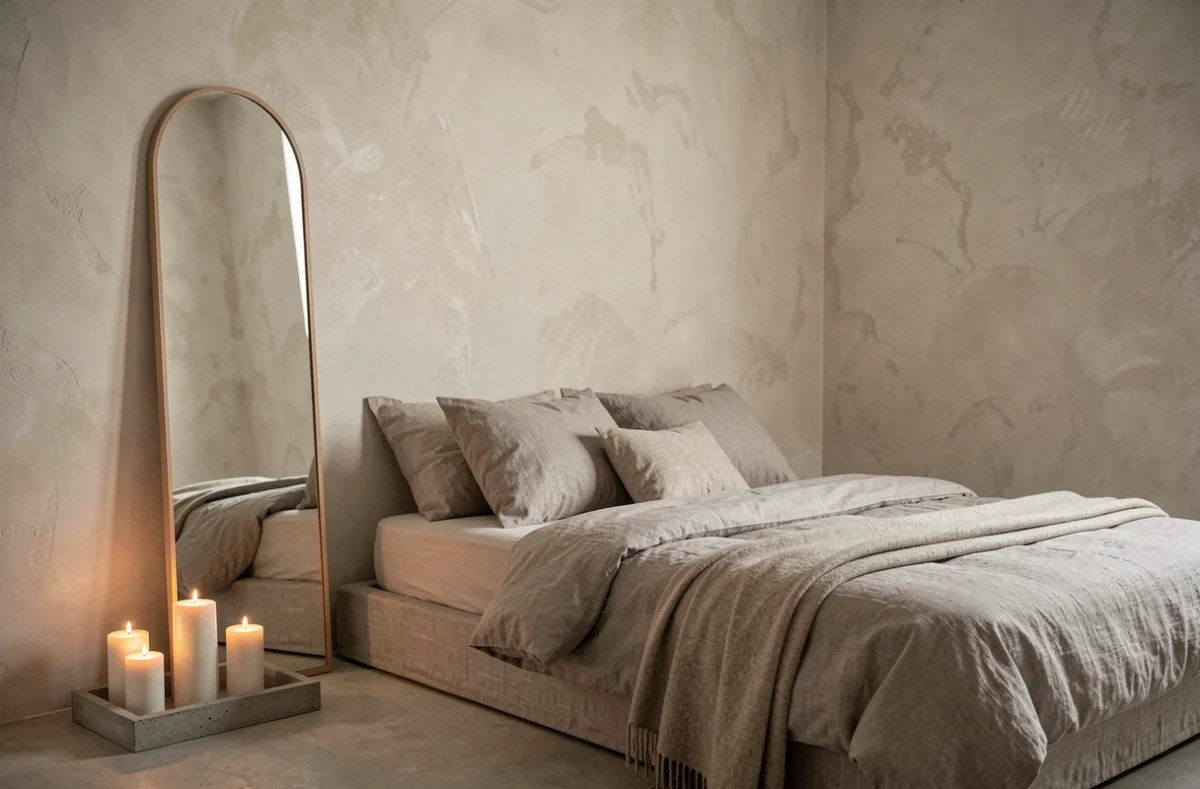
Buying everything new to redecorate your home isn’t the only option—or the most appealing one. Reusing furniture adds a distinctive touch that no catalog can replicate. A thrifted dresser, a reupholstered armchair or a farmhouse table that’s been sanded and oiled brings history, patina and asymmetry into a home, making the decor feel more alive.
Reuse is different from recycling: it means using a piece of furniture that’s in good condition, possibly after restoring it, rather than turning it into raw material. In France, free “one-for-one” take-back applies under certain conditions when a retailer delivers an equivalent new piece of furniture. Check the terms with the seller before buying to avoid surprises, especially with bulky items such as a sofa or wardrobe.
Mixing an antique piece with contemporary furniture creates contrast and adds energy to a space. A 1950s sideboard opposite a streamlined sofa creates a visual dialogue that furniture from the same collection can’t achieve.
A warm interior depends less on your budget than on the harmony between textures, colors and light. Repainting one wall, repositioning two lamps and adding a textile can change a room’s atmosphere more than replacing all the furniture. One final point to keep in mind: checking the labels on materials you bring into your home protects your breathing comfort as well as your visual comfort.