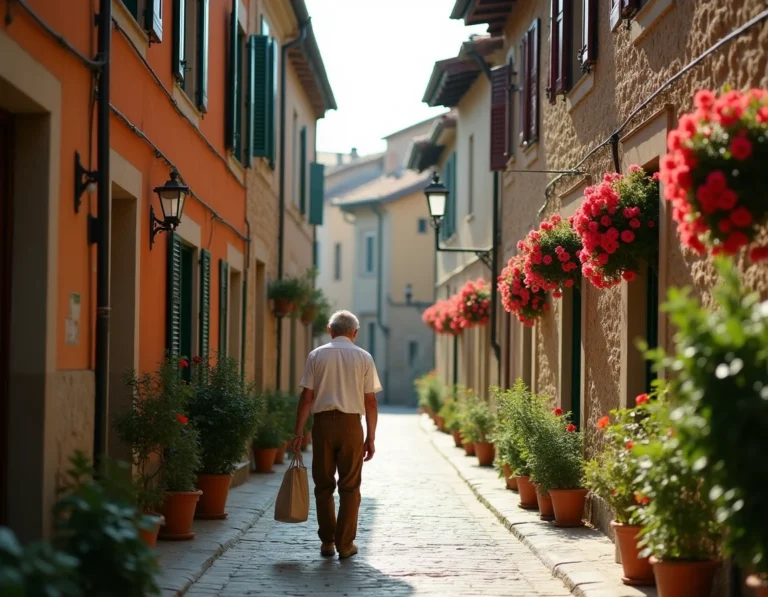
In the maze of concrete cities, the creation of green spaces emerges as a breath of fresh air for urban dwellers thirsty for nature. The landscape professional becomes an architect of biodiversity, a sculptor of green havens in the heart of stone jungles. Their mission is fundamental: to shape places of conviviality and relaxation while integrating contemporary ecological and social challenges. This master of urban greenery must juggle topography, local flora, the needs of residents, and environmental constraints to transform gray areas into green enclaves, essential for quality of life in the city.
The essential role of landscape professionals in creating urban green spaces
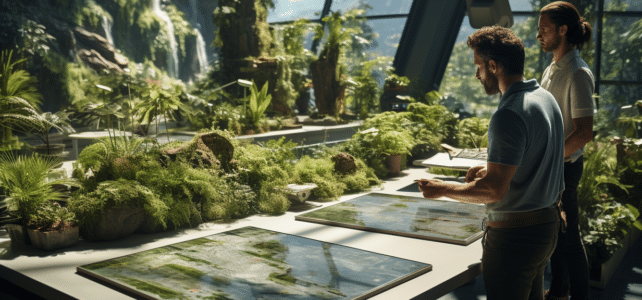
At the heart of contemporary urban planning projects, the landscape designer deploys their expertise to envision and shape urban green spaces. This central figure works within design offices, orchestrating the creation of landscaping that is both aesthetic, functional, and ecological. Under their direction, the landscape draftsman materializes visions into precise plans, while the landscape mason builds the structures necessary for creating these harmonious spaces. The landscape gardener, for their part, continues the work initiated by ensuring the maintenance of these natural places.
The profession of landscape architect, in all its diversity, also includes the landscape urbanist, who integrates strong environmental and societal considerations into urban development. These professionals combine social and technological innovation to address current challenges of urban greening, creating public spaces that enhance the quality of life for city dwellers. They are the guarantors of sustainable development within metropolises, proposing greening solutions tailored to the specific issues of each city.
The landscape architect, a pillar of this transformation, is the artisan of a re-enchanted living environment, where parks and gardens become vectors of well-being and social connection. By combining their know-how with technological advancements, these professionals shape urban green spaces that serve as refuges for biodiversity and islands of freshness for urban populations. Their role is crucial in realizing ecological ambitions and weaving a green tapestry throughout the urban landscape.
The environmental and social challenges of urban greening
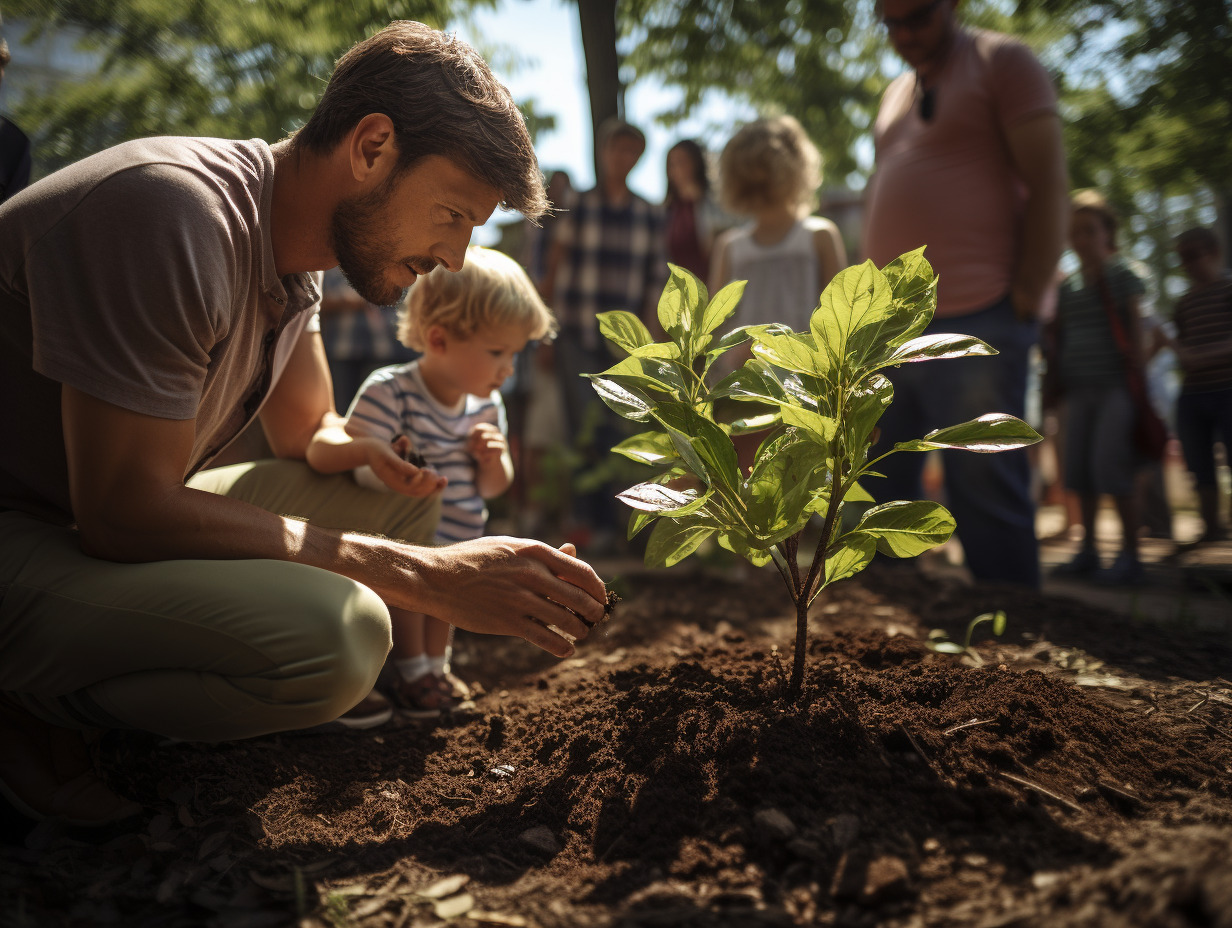
Urban greening is part of a sustainable development approach, addressing major environmental challenges. The transformation of concrete spaces into green areas contributes to the reduction of heat islands, the improvement of air quality, and the management of rainwater. Urban parks and gardens play a fundamental role in preserving biodiversity, providing habitats for numerous species. These green spaces are also carbon sinks, capturing atmospheric CO2, and thus actively participating in the fight against climate change.
On a social level, green spaces in the city significantly improve the quality of life for residents. They offer places for rest, meeting, and recreation, essential for the well-being of city dwellers. Vegetated public spaces also encourage social cohesion, fostering inclusion and sharing among different communities. The living environment is enhanced, which has a positive impact on individuals’ mental health, reducing stress and increasing feelings of happiness.
The specific training and degrees in the landscape sector, such as the CAPA Landscape Gardener, the BP Landscaping, or a university degree in landscape, reflect the complexity and technicality required to tackle these challenges. The National School of Landscape, among other institutions, offers specialized courses that prepare future professionals to design sustainable and inclusive green spaces. These trainings are crucial to ensure the sustainability and effectiveness of urban greening projects, equipping professionals with the necessary skills to navigate the multidisciplinary context of green urbanism.