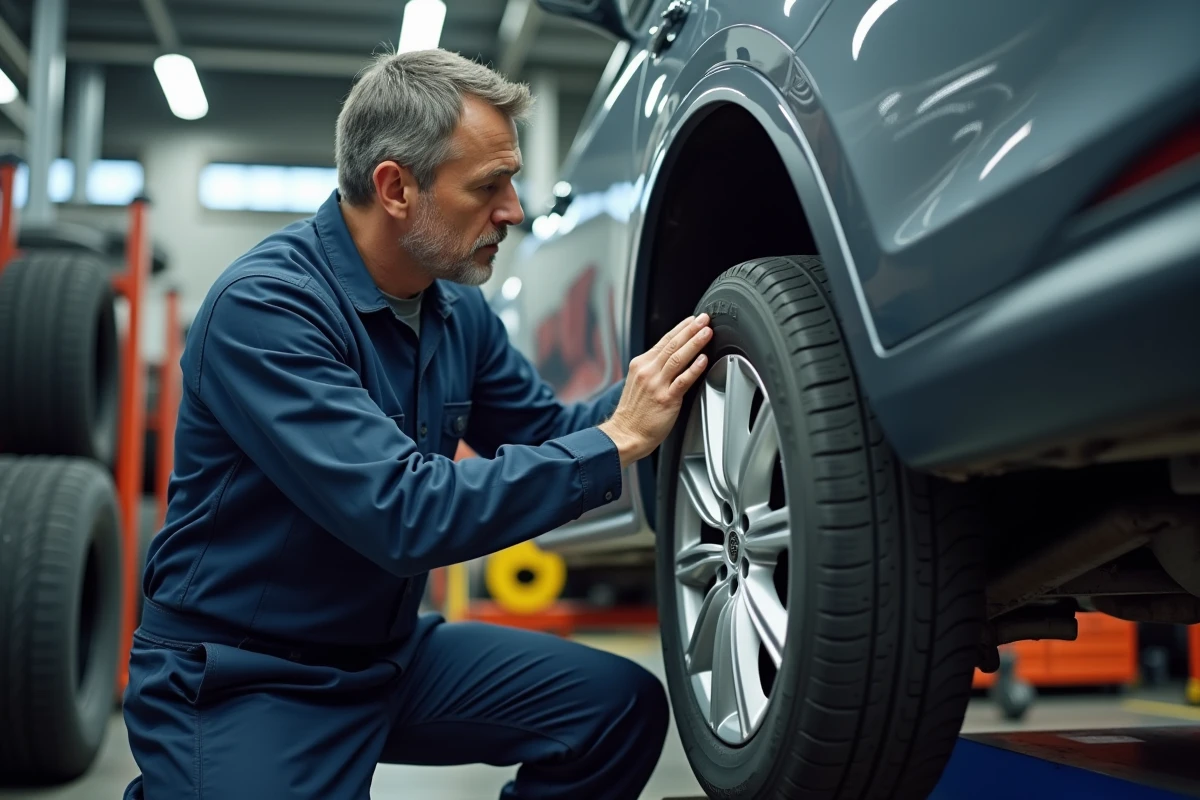
A player in the European tire market stands out with a unique strategy: offering competitively priced products while relying on the expertise of major manufacturing groups. Some models benefit from technologies shared with premium brands, but a rigorous selection of materials and manufacturing processes remains the rule.
Distribution is organized around specialized networks, with a range covering everyday needs, from summer tires to all-season models. Compared to other references in the economic segment, notable differences appear in durability, driving comfort, and safety.
Sebring, a rising brand: history, manufacturing, and market positioning
Sebring is gradually establishing itself in the European landscape of tires. Launched by the IHLE group, a recognized industrial player in the sector, the brand claims production rooted in Europe, particularly a significant portion of manufacturing in France. This geographical choice is not by chance: it ensures compliance with European standards, a fundamental aspect for those who demand traceability and conformity.
The trajectory of Sebring is based on a clear direction: to position itself in the economic segment while maintaining road safety requirements. The goal? To cater first to those looking for a contained price, without sacrificing reliability or accessibility. Sebring tires target daily use, for both city cars and utility vehicles or corporate fleets.
The brand is committed to a few concrete principles that shape its identity:
- transparency about product origins,
- strict quality control,
- distribution through specialized networks.
This philosophy appeals to an urban and family audience, more attentive to the price-performance ratio than to the logo displayed on the side of the tire. Several automotive maintenance professionals confirm the seriousness brought to the design, which meets the expectations of the segment.
For those who wish to examine every technical aspect or cross-reference testimonials, the review of the Sebring tire published by Auto Actu offers a comprehensive overview: feedback highlights the consistency of quality while pointing out areas for improvement, which are inevitable for a brand on the rise.
How good are Sebring tires really? Performance analysis, strengths, and limitations against the competition
Performance on the road and daily use
The Sebring tires primarily target those seeking a compromise: an attractive quality-price ratio, without compromising on safety. On dry roads, the handling inspires confidence. The road holding remains sound, and the steering shows no signs of imprecision, even during hard braking. In terms of grip on wet surfaces, the result is average for the segment: adequate for standard uses, but less reassuring during heavy rain or in mountainous areas. The target remains clearly daily use, for all types of vehicles, including city cars, SUVs, utility vehicles, or fleets.
User-reported strengths
Several characteristics regularly stand out in driver reviews:
- Price lower by 30 to 40% compared to premium ranges.
- Driving comfort with a noise level that is average to low, appreciated in urban environments.
- Satisfactory lifespan, ranging from 30,000 to 40,000 km depending on use.
- Availability across a wide range of sizes for passenger cars, utility vehicles, and 4x4s.
Limitations and user feedback
The Sebring tires show limitations when subjected to high intensity. Wear accelerates on highways or during dynamic driving. On wet surfaces, grip may disappoint the most demanding drivers, especially in cases of heavy rainfall. Testimonials praise consistent quality for city or road use but are more reserved when the context becomes extreme or sporty.
To explore other analyses and concrete testimonials, the detailed review of the Sebring tire published by Auto Actu offers varied insights.

Our selection of the best Sebring models and tips for choosing according to your needs
The choice of a Sebring tire depends on three major criteria: the season, the use, and the type of vehicle. With the support of the IHLE group, the brand offers a complete range, from summer tires to winter tires, not forgetting all-season models. Owners of small cars, SUVs, or utility vehicles can find the right fit, with rubber compounds designed to meet specific needs.
Recommended references
Here are the different Sebring ranges that stand out in their categories:
- Road Performance: perfect for daily use on city or compact cars, it offers stability and comfort.
- Ultra High Performance: for sedans and powerful vehicles, this range provides better precision without neglecting longevity.
- All Season and All Season SUV: ideal for those who want to avoid seasonal changes, with adequate performance on wet or lightly snow-covered roads.
- Formula Snow and Formula VAN+ Winter: designed for winter, they ensure increased traction and grip, especially for utility or professional vehicles.
It remains essential to choose the appropriate size and follow the manufacturer’s recommendations. For a secondary car or occasional use, the All Season range stands out. Urban transport professionals often lean towards Sebring utility tires, known for their durability. Tire width and profile influence road holding, acoustic comfort, and longevity: consulting technical sheets and user feedback is always helpful in refining one’s decision.
On asphalt or in mud, Sebring tires defend their place without shame. The question remains whether you are ready to bet on a brand that is forging its path, away from the spotlight but with an ambition that is no longer in debate.