The Hawaiian archipelago is home to a flora that cannot be found anywhere else on the planet. Its geographical isolation in the middle of the Pacific Ocean has shaped a reservoir of endemic species whose diversity even surprises seasoned botanists. Understanding this richness requires going beyond the postcard image of the flower lei to explore the mechanisms that have produced such an abundance of forms and colors on a few volcanic islands.
Volcanic isolation and speciation: why Hawaii produces unique flowers
The gradual formation of the islands, from northwest to southeast, has created habitats of very different ages. Each new lava flow provides a virgin substrate that plants slowly colonize, generating distinct lineages from one island to another.
Seeds arriving by wind, ocean currents, or migratory birds have evolved in the absence of continental competitors. This phenomenon, known as adaptive radiation, explains how a single ancestral species could give rise to dozens of endemic forms, each adapted to a particular microclimate: humid tropical forest, alpine meadow, or wind-swept cliff.
To explore the variety of Hawaiian flowers in detail, it is important to keep in mind that this diversity remains fragile. The introduction of invasive species and habitat loss directly threaten the plants that exist only on the archipelago.
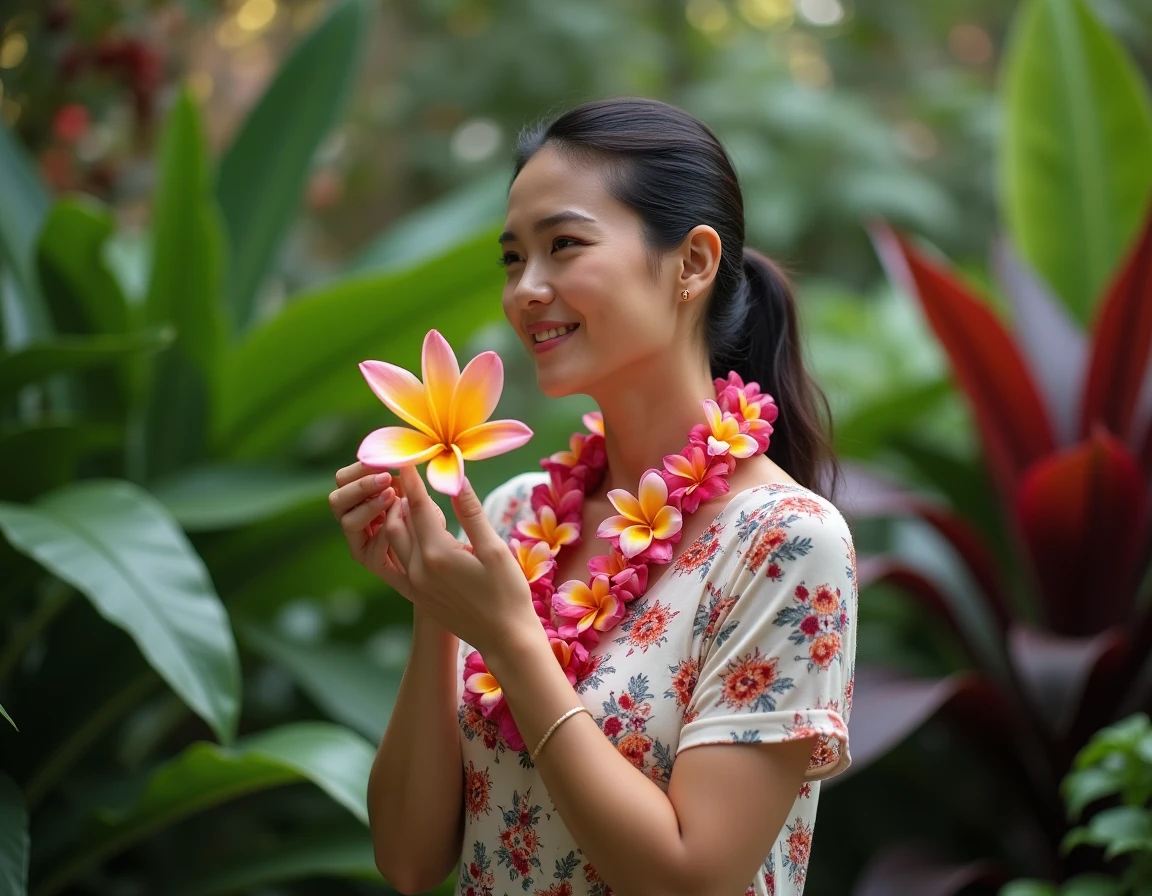
Hibiscus, anthurium, plumeria: three emblematic flowers of Hawaii
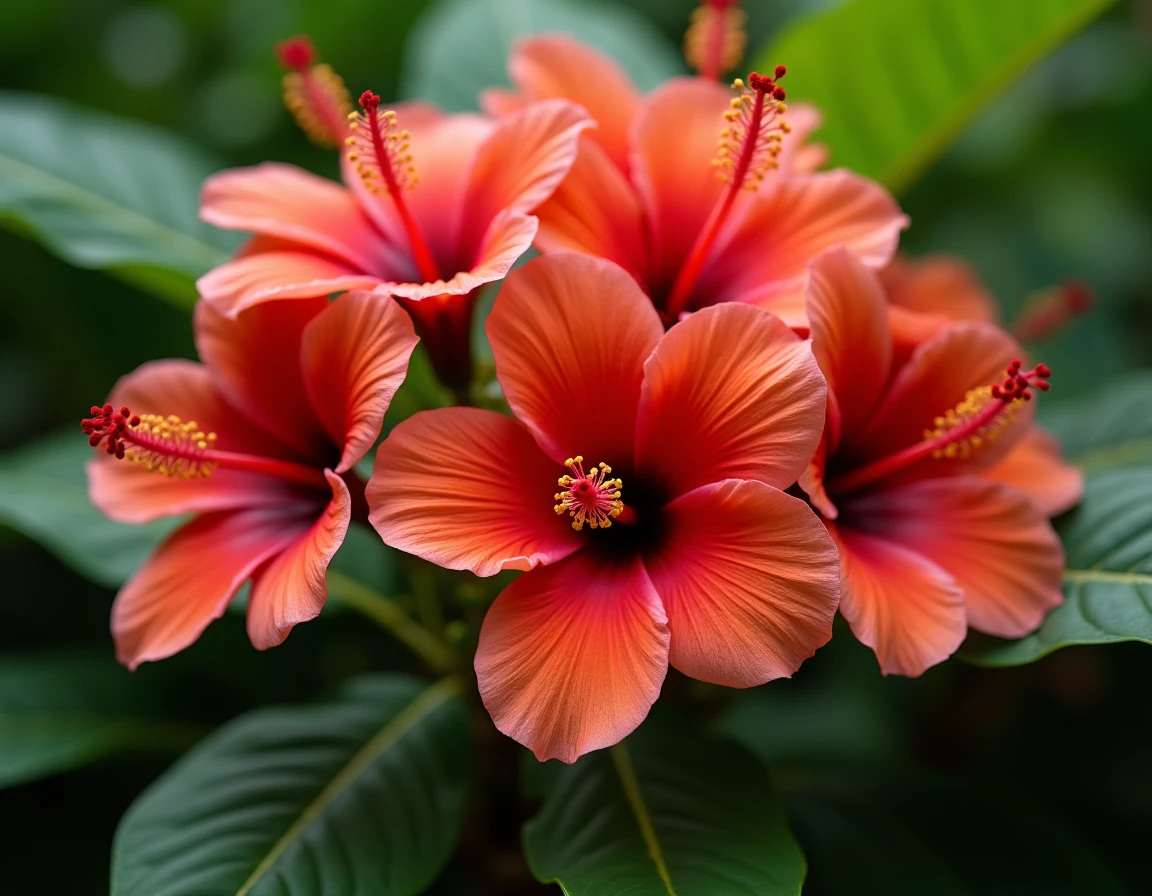
The yellow hibiscus (Hibiscus brackenridgei) is the official flower of the state. Paradoxically, this endemic species is now rare in the wild, while horticultural varieties of hibiscus from various origins adorn the gardens of all the islands. The wild Hawaiian hibiscus is classified as endangered, creating a striking contrast with the omnipresence of its cultivated cousins.
The anthurium, native to tropical America, has perfectly acclimatized to the climate of Big Island. Its heart-shaped spathe, bright red or salmon pink, makes it one of the most exported cut flowers from the archipelago. Local producers have developed hybrids in shades ranging from cream white to deep burgundy.
The plumeria (frangipani) is also not native to Hawaii, but it has found ideal conditions there. Its fleshy, fragrant flowers are used to make leis, the floral garlands offered during ceremonies. The plumeria illustrates how an introduced plant can become a cultural symbol in just a few generations.
Threatened endemic species: the case of protected Hawaiian plants
The Hawaiian endemic flora has a high proportion of endangered species. The available data do not always allow for precise assessment of the status of each population, but botanists agree on the general observation: the majority of strictly endemic flowering plants of the archipelago are in decline.
Factors in the regression of endemic flowers
- Wild ungulates (pigs, goats) trample the understory and consume young shoots, preventing the natural renewal of populations.
- Invasive plants, particularly miconia and certain African grasses, quickly colonize open spaces and suffocate less competitive local species.
- The loss of native pollinators (birds from the drepanid family) disrupts plant-pollinator relationships that have existed for millions of years.
- Changes in precipitation patterns alter the fog zones at high altitudes, which are habitats for many rare species.
Among the notable examples, the silversword (Argyroxiphium sandwicense), with its silver rosette and spectacular flowering, only grows on the volcanic slopes of Maui and Big Island. Each individual only flowers once before dying, making the conservation of its populations all the more delicate.
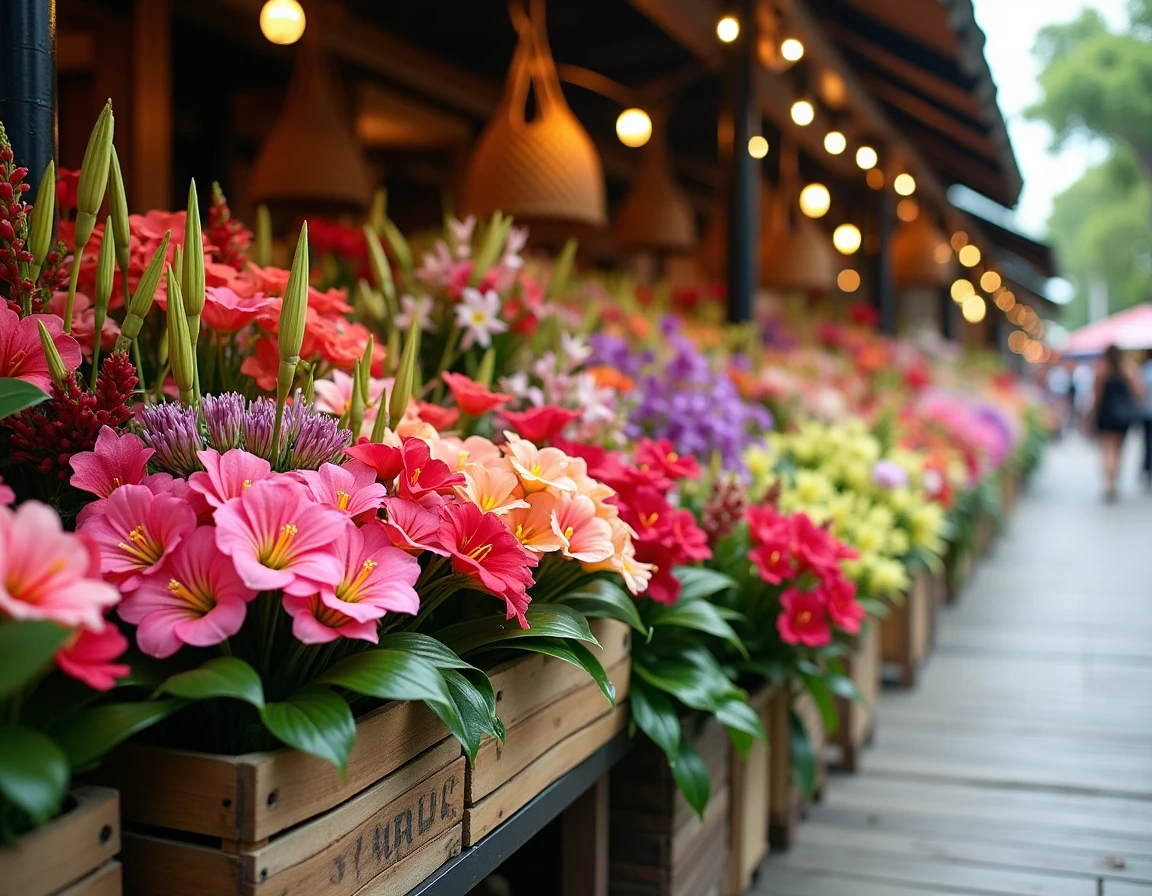
Growing Hawaiian tropical plants in a temperate garden
Reproducing a fragment of a Hawaiian tropical garden at home involves solving two problems: winter cold and lack of ambient humidity. Some species adapt better than others.
The anthurium can be grown indoors in most temperate regions. It requires bright light without direct sunlight, a well-draining substrate, and high humidity. A pot placed on a bed of wet clay pebbles is often sufficient to maintain the atmosphere it needs.
The hibiscus rosa-sinensis, commonly sold in garden centers, tolerates a summer outdoors but must be brought inside as soon as nighttime temperatures drop below ten degrees. A cool, well-lit wintering prevents premature leaf drop.
The plumeria, on the other hand, accepts a dry, cool dormancy period. It loses its leaves in autumn, reduces its water needs to almost nothing, and then grows vigorously in spring if placed back in the sun.
- Anthurium: indoors year-round, airy substrate, filtered light, regular watering without excess.
- Hibiscus: outdoors in summer, bright wintering between 10 and 15 degrees, light pruning in spring.
- Plumeria: full summer sun, dry dormancy in winter, repotting at the start of the growing season.
Hawaiian flowers and local culture: beyond ornamentation
The lei is not a tourist accessory. In Hawaiian tradition, offering a lei signifies respect, affection, or the celebration of a passage. The choice of flowers, their color, and their arrangement carry a specific meaning that locals uphold during graduations, weddings, and funerals.
Some flowers are reserved for specific ceremonial uses, and confusing them can constitute a cultural faux pas. The maile, a vine with aromatic foliage, is used, for example, to honor individuals or bless a place. It is not mixed indiscriminately with any other plant.
This cultural dimension explains why the conservation of Hawaiian flora goes beyond mere ecological issues. Losing an endemic species also means losing the botanical vocabulary of a civilization that named, classified, and utilized each plant long before the arrival of Western botanists.
The Hawaiian archipelago remains a living laboratory where one can observe both the power of island evolution and the speed at which ancient balances can unravel. Preserving this flora requires simultaneous action against invasive species, habitat destruction, and the disruption of pollination chains, three fronts on which results remain uneven from one island to another.